

Property and facilities managers operate in one of the UK's most regulated sectors. From safety inspections and electrical testing to repair obligations and tenant protection laws, organisations must demonstrate that properties are managed responsibly and that tenant concerns are addressed promptly.
Industry guidance, such as the Property Ombudsman Code of Practice for Residential Letting Agents, emphasises the importance of responding appropriately to tenant communications and keeping clear records of repair requests and actions taken. Property professionals are expected to manage tenant issues efficiently and ensure that safety or habitability-related issues are addressed without needless delay.
When a tenant reports a fault, maintenance issue or safety concern, that communication triggers the repair process. If the information is collected accurately and passed to the appropriate contractor quickly, the issue can usually be resolved without complication.
When communication breaks down, problems escalate. Missed calls, incomplete messages, or delayed responses slow maintenance, disrupt contractor coordination, and create record gaps critical for compliance.
To better understand how communication influences operational risk in property management, I spoke with the Answer4u team about the challenges property and facilities managers faced when handling tenant enquiries and why many organisations that are now clients decided to review how they manage incoming calls.
Key Insights (TL;DR)
-
Most repair procedures begin when a tenant reports a problem, so capturing that first report accurately is essential.
-
Detailed reporting during the initial call helps property managers assess urgency and brief contractors properly.
-
Delayed or unrecorded repair requests can slow response times and leave gaps in compliance documentation.
-
Incomplete messages often lead to repeat site visits, longer repair timelines and tenant disruption.
- Urgent repairs often occur outside office hours, making reliable reporting channels critical.
- Managing compliance, inspections, and tenant communication simultaneously can make it difficult to capture every enquiry.
- When problems are not acknowledged quickly, frustration can develop into complaints.
- Consistent logging, clear escalation procedures, and reliable call management help maintain accurate records and achieve faster response times.
Communication as the Starting Point for Maintenance Compliance
Every maintenance issue begins with a report. A tenant notices a problem, such as a water leak, heating failure, or electrical fault, and contacts the property manager.
That initial report then triggers a maintenance process.
Accurately logging and routing issues enables quick repairs. In contrast, missed or incorrect first communications slow response times and allow small issues to become bigger operational or safety problems.
Regulatory expectations are also evolving. Following the Social Housing (Regulation) Act 2023 and the introduction of reforms such as Awaab’s Law, housing providers are under increased scrutiny to ensure maintenance concerns, particularly those affecting health or safety, are addressed quickly and transparently.
These developments emphasise the necessity of accurate reporting and communication in property compliance.
Answer4u team insight
“In many cases, the property management teams that contact Answer4u are already doing the right thing operationally, but without structured call logging, they lack a clear audit trail showing how the issues were first handled.
If a tenant later questions response times, the ability to demonstrate exactly when the problem was reported and how it was escalated can become extremely important. That evidence can help organisations create the documentation they need to demonstrate that maintenance concerns were acknowledged and acted upon responsibly.”Stuart Wilson, Director of Operations
The Operational Risks of Missed or Delayed Maintenance Reports
Property management teams often oversee large portfolios while managing a constant stream of tenant communication. Requests may arrive through phone calls, emails, property portals and online forms throughout the day.
Without a structured system for capturing this information, maintenance requests can be delayed or overlooked.
The importance of effective communication is becoming increasingly apparent. Recent Tenant Satisfaction Measures published by the UK Government show rising levels of tenant complaints across the sector, highlighting growing scrutiny around how landlords and property managers handle communication and repairs.
Even relatively simple maintenance requests require multiple steps:
-
recording the issue
-
assessing urgency
-
scheduling contractor visits
-
updating records
If the initial report lacks detail, these steps take longer and increase strain on busy teams.
Answer4u team insight
“One of the patterns we regularly observe is that maintenance requests often arrive in clusters. Severe weather, heating failures in winter, or plumbing issues in older buildings can generate multiple tenant calls within a short period.
When our clients' internal teams are already busy managing contractors or inspections, it would be easy for messages to be recorded incompletely or for calls to go totally unanswered. That would create a backlog of issues that would need to be clarified and prioritised later. Having an outsourced partner in place to capture every call and log the correct information during the first conversation removes a great deal of that downstream pressure.”Sally-Ann O'Neil, Head of Call Centre Operations
Communication Failures and Contractor Coordination
Maintenance issues rarely involve just one party. Repairs typically require coordination between tenants, property managers and multiple external contractors.
Contractors depend on accurate information to diagnose problems and bring the correct equipment or replacement parts. When details are vague or incomplete, engineers may arrive unprepared.
This can lead to repeat visits, longer repair timelines and greater disruption for tenants.
Delays can increase operational pressure and create compliance risks if repairs take too long.
Answer4u team insight
“Contractors are most effective when they arrive with a clear understanding of the issue they’re dealing with. In practice, however, the information passed between tenants, property teams, and engineers can sometimes be fragmented.
What may seem like a minor detail during the initial call, such as where a leak is coming from or whether a system has completely failed, can determine whether a contractor resolves the problem in one visit or has to return later with additional parts. Improving how that information is captured early in the process can considerably reduce repeat call-outs and avoidable delays.”David Chapman, Customer Service Director
Emergency Repairs and the Necessity for Fast Escalation
Certain property issues require immediate attention. Water leaks, electrical faults, or heating failures during winter can escalate quickly if not attended to promptly.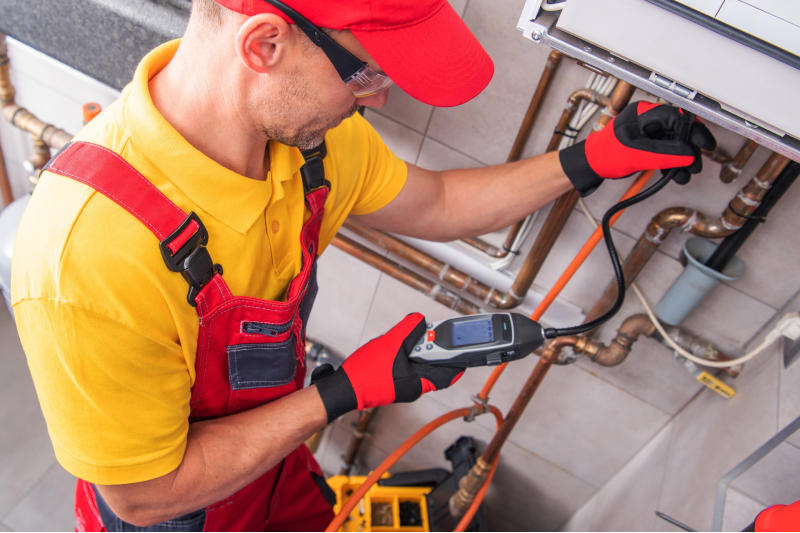
Guidance published by Shelter England on housing repairs emphasises the importance of responding promptly to urgent issues that may affect tenant safety or cause significant property damage.
However, emergencies can occur at any time, including evenings, weekends and holidays. For organisations operating with small teams, maintaining round-the-clock communication coverage can be challenging.
If high-priority calls are missed or delayed, the consequences can escalate quickly.
Answer4u team insight
“Emergency maintenance situations rarely occur at convenient times. In many cases, the most serious property issues are reported outside normal office hours when tenants return home from work or discover problems overnight.
For property organisations, the challenge is ensuring that urgent issues are recognised quickly and passed to the right person without hesitation. Clear escalation procedures and accessible reporting channels make an important difference. When those processes are in place, teams can move from identifying the issue to mobilising the appropriate contractor much more quickly.”Adam Woodhall, Key Account Manager
The Administrative Pressure Facing Property Managers
Property managers are responsible for a wide range of operational duties beyond maintenance coordination. These often include compliance monitoring, inspections, documentation, contractor management and tenant communication.
Handling these responsibilities while responding to frequent tenant calls can be challenging.
Calls often arrive while property managers are attending site visits or supervising repairs. When teams are already managing several responsibilities, answering every call becomes increasingly difficult.
Answer4u team insight
“Many of the property managers we speak to are responsible for hundreds of units while also coordinating inspections, compliance checks and contractor relationships. The reality is that their day is rarely spent sitting at a desk waiting for calls.
That creates a challenge because tenant enquiries continue to arrive regardless of where the property manager is working. As portfolios grow, organisations often need to think carefully about how communication is managed so that important tenant calls are still captured even when internal teams are focused on operational-related work elsewhere.”William Menhennet, New Business Manager
Communication, Tenant Expectations and Complaints
Communication processes also play an important role in shaping tenant perceptions.
When tenants report a problem, they want reassurance that their concern has been recorded and that someone will follow up. If calls go unanswered or messages are lost, tenants may perceive their concerns are not being taken seriously.
Over time, this can lead to complaints and damage to reputation.
Maintaining clear communication processes helps demonstrate that tenant concerns are handled professionally and responsibly.
Answer4u team insight
“Tenant expectations around communication have changed significantly in recent years. People are accustomed to receiving quick acknowledgement when they contact organisations, whether that is a confirmation message or a conversation with someone who can log their concern.
When that initial reassurance is missing, frustration can escalate quickly. In many cases, the complaint is not about the repair itself, but about the feeling that the issue disappeared into voicemail or an inbox without acknowledgement. Simple communication steps early in the process can prevent many of those situations from developing.”Charlotte Menhennet, Operations Manager
Strengthening Communication Processes to Support Compliance
As property portfolios grow and regulatory expectations continue to evolve, many organisations are reviewing how communication fits within their wider compliance strategy.
Guaranteeing tenant reports are captured clearly and routed quickly to the appropriate person can considerably improve process efficiency.
Improving communication processes can help property managers:
-
respond to maintenance issues faster
-
maintain clearer records of reported problems
-
coordinate contractors more efficiently
- reduce the risk of neglected or delayed repairs
For organisations managing high volumes of tenant enquiries, solutions such as a dedicated property and facility management answering service can help guarantee that every call is captured and routed appropriately.
Answer4u team insight
“Property organisations that manage communication well usually have one thing in common: they treat tenant contact as a structured process rather than a task handled whenever someone is available.
That may include standardised reporting questions, clear escalation procedures or defined message formats so maintenance teams receive consistent information every time. When communication follows a structured process, property managers gain better visibility over incoming issues and can prioritise resources more effectively.”Charlotte Menhennet, Operations Manager
Final Thoughts
Compliance in property and facilities management is often associated with inspections, certification and regulatory documentation. However, the process frequently begins much earlier — when a tenant first reports a problem.
Ensuring those conversations are captured clearly and passed to the right person quickly helps organisations respond faster, keep accurate records and demonstrate that issues have been resolved responsibly.
As regulatory expectations and tenant scrutiny continue to increase across the UK property sector, many organisations are recognising that communication processes play a key part in maintaining safe, compliant buildings.
For property managers reviewing how tenant enquiries are handled, strengthening call management processes can be an important step in supporting both operational capability and long-term compliance.
About the author


Popular Blog Posts
- What is a Telephone Answering Service?
- What Does a Virtual Receptionist Do?
- What is an Outsourced Call Centre?
- 4 Benefits of using a 24-Hour Virtual Receptionist
- The Importance of Customer Service
- Finding The Best After Hours Call Answering Company
- How After Hours Answering Services Benefit Small Businesses
- How to Handle Difficult Callers
- What is Conditional Call Forwarding?
- The State of IT Outsourcing
- Deliver Better Support with Customer Care Outsourcing

